Vivo X300 camera review covering ZEISS optics, real photo samples, low-light performance, portraits, video quality, and camera features.
When I pick a new smartphone, the first thing I test is always the camera. Not the gaming performance. Not the benchmark score. Just the camera. Because phones today go everywhere with us—family trips, birthdays, street food moments, sunsets from a bus window. A good camera turns those everyday moments into memories.
That’s why the Vivo X300 camera caught my attention.
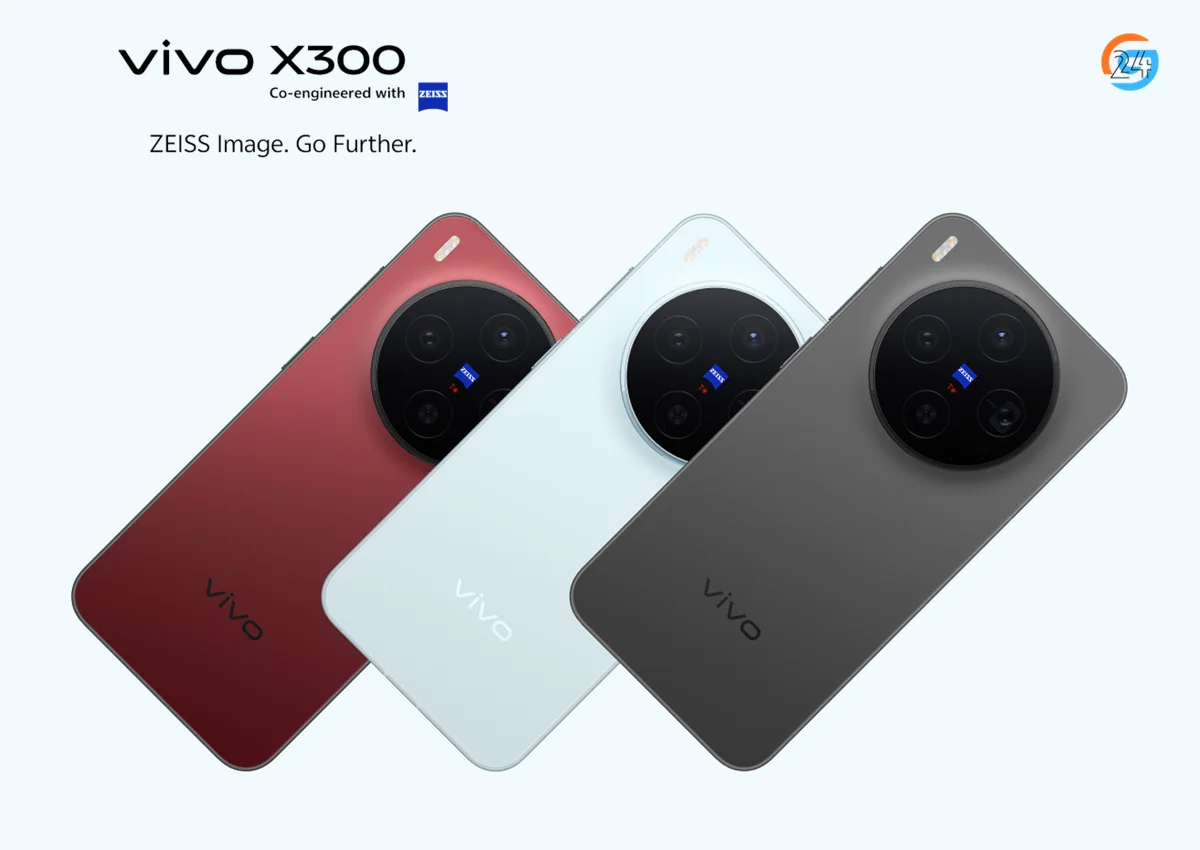
Vivo has been pushing camera innovation for years, and with the X300, the brand goes all-in again. This phone comes with ZEISS optics, a huge 200 MP main sensor, and camera software that promises “real-world photography,” not just lab results.
But specs alone don’t tell the full story.
In this Vivo X300 camera review, I’m sharing what actually matters—how the camera performs in daily life, how photos look without heavy editing, and whether the ZEISS partnership truly makes a difference. I’ll also talk honestly about where the camera shines and where it still feels average.
If camera quality matters to you, stay with me. This review is based on real use, real situations, and real expectations.
Read my Vivo X300 review with honest pros and cons here.
Table of Contents
Camera Hardware Overview of Vivo X300 camera
Before diving into image quality, let’s quickly understand what Vivo packs inside the X300.
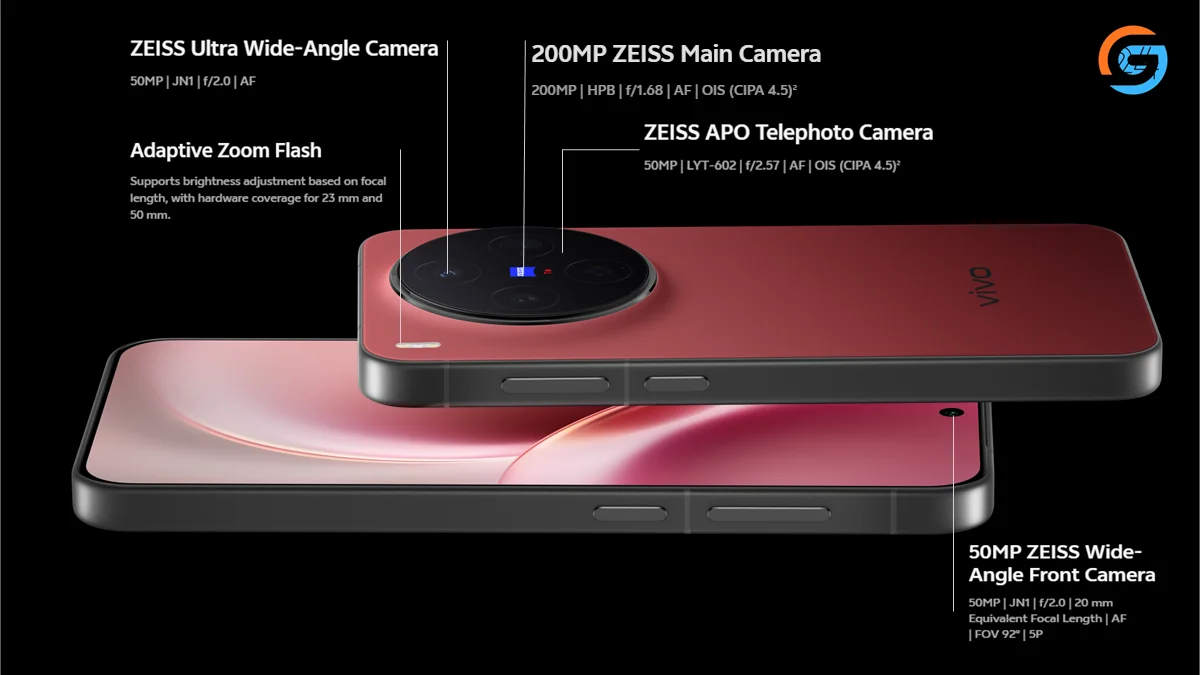
Rear Camera Setup:
The Vivo X300 5G comes with a triple rear camera system, and each lens serves a clear purpose.
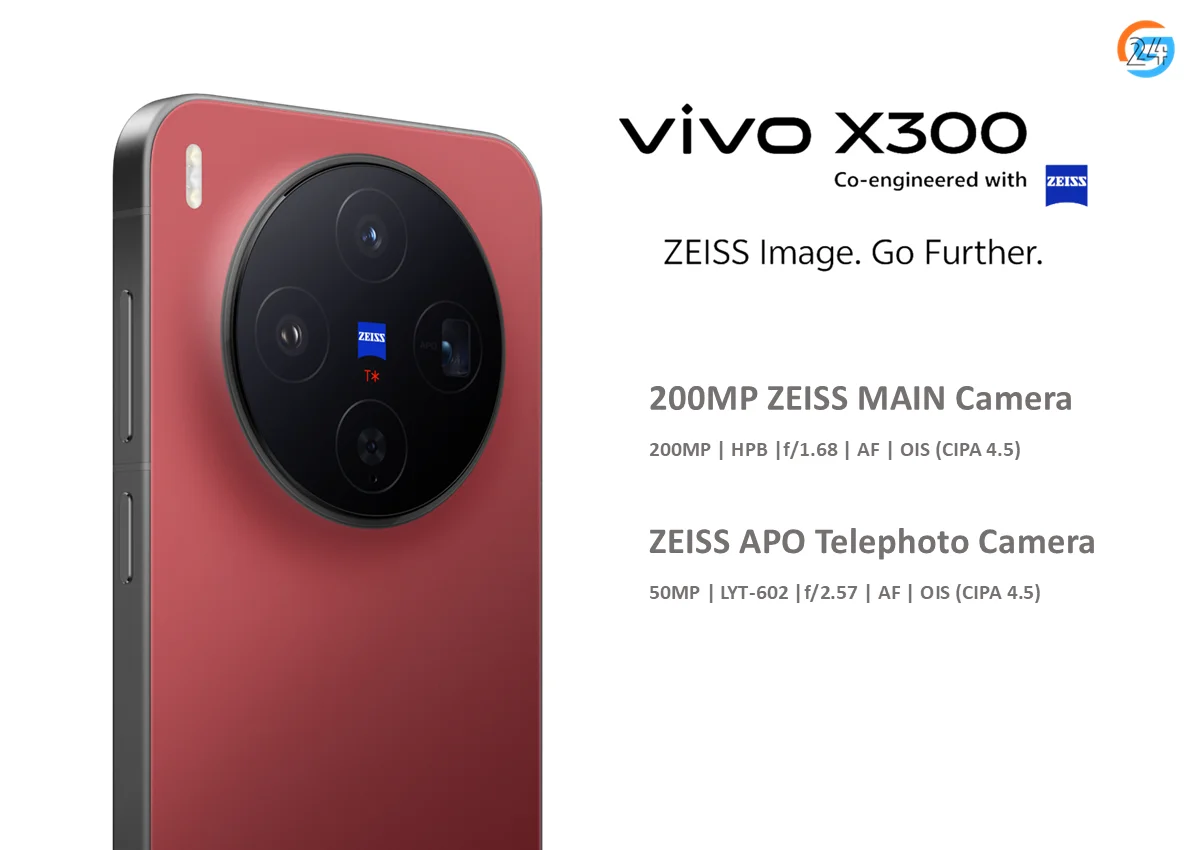
200 MP ZEISS Main Camera (HPB Sensor): This is the star of the show. A massive 200 MP sensor, paired with ZEISS optics, optical image stabilization (OIS), and fast autofocus. Vivo clearly wants this lens to handle most shooting situations—day, night, portraits, and even video.
50 MP Ultra-Wide Camera: Perfect for group photos, landscapes, and travel shots. This lens captures a much wider scene than the main camera, without heavy distortion.
50 MP Telephoto Camera (3× Optical Zoom): This lens handles zoom shots. Instead of digital cropping, you get real 3× optical zoom, which keeps details sharp.
Front Camera
The selfie camera is no afterthought.
- 50 MP wide-angle front camera
- Autofocus support
- Great for selfies, vlogs, and video calls
OIS, AF & Adaptive Flash
- OIS (Optical Image Stabilization) helps reduce blur, especially in low light.
- Fast autofocus locks onto subjects quickly.
- Adaptive flash adjusts brightness based on distance, which helps portraits at night.
On paper, this setup looks premium. Now let’s see how it performs in real life.
ZEISS Lens & Imaging Technology
ZEISS isn’t just a logo here. The partnership actually influences how photos look.

What Makes ZEISS Optics Special
ZEISS lenses focus on:
- Natural colors
- Sharp details without over-processing
- Balanced contrast
Instead of boosting colors to look “Instagram-ready,” ZEISS tuning tries to keep photos closer to real life.
ZEISS Natural Portrait & Color Science
This is one of my favorite parts of the Vivo X300 camera.
Skin tones look natural. Faces don’t turn orange. Whites don’t turn blue. Photos feel calm and realistic, especially portraits.
Optical Design Highlights
The lens coating reduces glare and ghosting. When I shot against bright sunlight or street lights at night, reflections stayed under control. That’s something cheaper lenses often struggle with.
Read this ZEISS camera in smartphones guide to understand what makes it better than regular lenses.
Photo Quality Analysis of Vivo X300 camera
Now comes the most important part—how photos actually look.
Daylight Photography
Daylight is where flagship cameras should shine, and the Vivo X300 doesn’t disappoint.
Exposure & Dynamic Range: Photos look balanced. Bright skies don’t get blown out, and shadows keep good detail. Even in harsh noon sunlight, the camera manages highlights well.
Detail & Sharpness: Thanks to the 200 MP sensor, images look incredibly sharp. You can zoom into photos and still see fine textures—leaves, fabric, building lines.
Color Reproduction: Colors look natural, not oversaturated. Green trees look green, not neon. Blue skies stay soft and realistic. This makes photos feel more “camera-like” than “filter-heavy.”
Low-Light & Night Shots
This is where many phones struggle. The Vivo X300 handles night photography surprisingly well.
Noise Handling: Even without night mode, photos stay usable. Noise stays controlled, and details don’t completely disappear.
Night Mode Performance: With night mode on, photos brighten up nicely. Street lights don’t overpower the scene. Buildings and people stay clear.
Flash Quality & Balance: The adaptive flash works better than expected. Faces don’t look washed out, and backgrounds don’t turn pitch black.
I clicked photos at night markets and roadside cafes, and results looked social-media ready without editing.
Portrait Mode
Portraits are where ZEISS really shows its strength.
Edge Detection & Subject Separation: Hair edges look clean. Glasses and ears don’t get cut off. Even complex backgrounds stay nicely blurred.
Bokeh Effect Quality: The background blur looks smooth, not artificial. Lights turn into soft circles instead of messy blobs.
Skin Tones & Realism: Skin looks natural. Vivo avoids heavy skin smoothing, which I personally love. Faces still look like real people.
Ultra-Wide Performance
Ultra-wide cameras often feel like a compromise, but not here.
Distortion Control: Edges don’t stretch too much. Buildings stay straight.
Edge Details: Corners stay sharp, which is rare in many phones.
Field of View Advantage: Perfect for travel, architecture, and group photos. I used it a lot during outdoor trips.
Telephoto Zoom
Zoom photography feels reliable.
Optical vs Hybrid Zoom: Vivo X300 camera Up to 3× optical zoom, photos stay crisp. Beyond that, hybrid zoom still looks decent for casual use.
Telephoto Sharpness: Text on boards, distant faces, and objects stay clear.
Zoom Transition Consistency: Vivo X300 camera Switching between lenses feels smooth. Colors stay consistent across zoom levels.
Front Camera (Selfie) Performance
The Vivo X300 camera setup includes one of the best selfie cameras I’ve used recently.
Detail & Skin Tones: Selfies look sharp without harsh sharpening. Skin tones stay realistic.
Background Blur (Bokeh): Portrait selfies look clean, even without perfect lighting.
Performance in Varied Lighting: Indoor selfies look good. Low-light selfies stay usable, especially with screen flash.
This camera works well for students, vloggers, parents, and even kids taking casual selfies.
Video Performance of Vivo X300 camera
Video recording feels stable and reliable.
Resolution & Frame Rate Options
- 4K video support
- Smooth frame rates
Stabilization (EIS/OIS) Performance: Walking videos look steady. Handshake stays minimal.
Audio Capture Quality: Voices sound clear. Background noise stays controlled.
Cinematic Modes: The cinematic blur looks subtle, not fake. Great for short reels and family videos.
Camera Features & Software of Vivo X300 camera
Vivo adds useful features without making things confusing.
Night Mode & Pro Mode
- Night mode works automatically
- Pro mode gives manual control for camera lovers
AI Enhancements & Scene Recognition: AI adjusts settings quietly in the background. It doesn’t overdo things.
ZEISS Effects & Filters: ZEISS portrait styles add character without ruining natural tones.
Editing Tools: Built-in editing tools help quick fixes—crop, brightness, and color tweaks.
Real Sample Gallery of Vivo X300 camera (What You’ll Notice)
If I had to describe the photo samples in simple words:
- Daylight: Clean, sharp, natural
- Night: Bright but realistic
- Portraits: Soft blur, true skin tones
- Ultra-wide: Wide and distortion-free
- Selfies: Social-media ready
Each photo feels usable without editing. That’s a big win.
Comparisons
Vs Competitors in Same Price Range: Compared to other phones around the Vivo X300 price, this camera feels more balanced. Some competitors oversharpen or oversaturate images.
Vs Previous Vivo Flagships: The X300 improves portrait realism, zoom clarity, and low-light consistency. It feels more mature.
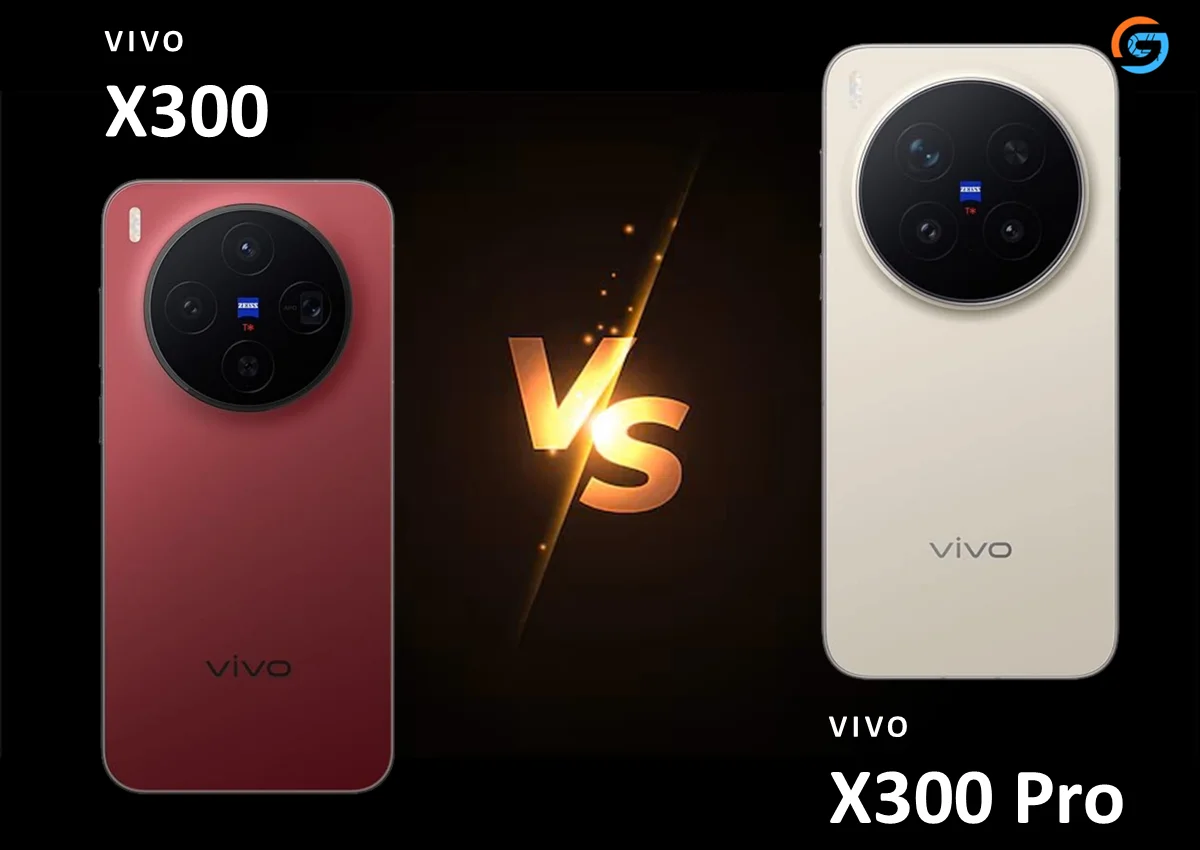
Vivo X300 vs X300 Pro: The Pro may offer extra features, but for most users, the X300 camera already feels flagship-level.
Pros & Cons (Vivo X300 camera)
Pros
- ZEISS optics make a real difference
- Excellent 200 MP main camera
- Strong portraits and zoom
- Reliable night photography
- Great selfie camera
Cons
- Night mode can take an extra second
- Ultra-high zoom is average
Nothing deal-breaking, but worth knowing.
Conclusion
After using it daily, I can confidently say the Vivo X300 camera focuses on real photography, not just numbers.
It captures moments the way eyes see them. Colors look natural. Faces look human. Photos feel calm, not artificial.
This camera suits:
- Families
- Travelers
- Content creators
- Students
- Anyone who values memories over filters
If camera quality sits at the top of your priority list, the Vivo X300 is absolutely worth considering.
Final Thought
The Vivo X300 camera review proves one thing: great smartphone photography isn’t about fake colors or heavy processing. It’s about balance—and Vivo gets that right here.
You can also read my related blogs:
FAQ of Vivo X300 camera
1. Is the ZEISS partnership real?
Yes. You can clearly see the difference in portraits, colors, and lens quality.
2. Best camera mode to use?
Auto mode works great. Portrait mode shines for people.
3. How does it handle dark environments?
Night mode helps a lot, and OIS keeps shots steady.